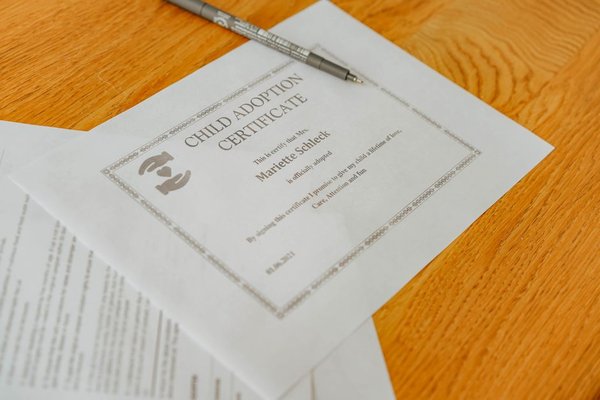
For many blended families, a stepparent adoption is less about creating a new relationship than legally recognizing one that already exists. A stepparent may already handle school pickups, medical appointments, and everyday parenting, yet still lack the legal authority that comes with parentage. The stepparent adoption process can change that by making the stepparent a legal parent with long-term rights and responsibilities.
In the United States, the exact procedure is controlled by state law, so forms, consent rules, investigations, and timelines vary. Most cases, however, follow the same general path: confirm eligibility, resolve the other parent’s legal rights, file with the appropriate court, complete any required investigation, and attend a final hearing.
What Stepparent Adoption Changes Legally
Once finalized, a stepparent adoption generally creates the same legal parent-child relationship that exists between a child and a biological or other adoptive parent. The adopting stepparent can gain rights and responsibilities involving custody, decision-making, inheritance, and financial support.
The adoption also usually ends the legal rights and responsibilities of the child’s other parent whose place the stepparent is taking, unless state law permits another arrangement. That is why adoption consent and parental-rights issues are often the most important part of the case.
Step 1: Check the Requirements in Your State
Start by checking the rules of the state and county where the case must be filed. Common stepparent adoption requirements may include a qualifying marriage or legal partnership, residency rules, and certain court forms. Families may also need the child’s birth certificate, marriage certificate, prior custody orders, divorce decrees, or a death certificate.
An official family-court website or self-help center is a good place to confirm current forms and filing procedures before submitting anything.
Step 2: Resolve Consent and the Other Parent’s Rights
When the other parent agrees
A straightforward case usually occurs when the child’s other legal parent voluntarily consents. The consent must follow state law and may require a specific form, notarization, witnesses, or court acknowledgment. Giving consent is a serious legal act because it can lead to the loss of parental rights and responsibilities once the adoption is completed.
When the other parent cannot be found or objects
If the other parent refuses consent, cannot be located, has abandoned the child, or has already lost parental rights, the process may become more complicated. Courts do not simply ignore a legal parent’s rights. Depending on state law, the family may need to prove proper notice, document efforts to locate the parent, or ask the court to terminate or dispense with parental rights on legally recognized grounds.
Contested cases can involve separate hearings and evidence about parentage, abandonment, contact, or the child’s best interests, so legal guidance can be useful.
Step 3: File the Adoption Petition
After the consent or parental-rights issue is clear, the stepparent typically files an adoption petition or request in the court with jurisdiction. The filing package may ask for information about the child, the stepparent, the custodial parent, the other parent, and previous family-court cases.
Accuracy matters. Names, dates, prior orders, and parentage information should match official records. If there has been a custody or support case, keep those case numbers and orders available.
Step 4: Complete the Required Investigation
Stepparent cases are often handled differently from agency or foster-care adoptions. Some states use a shortened investigation instead of a full traditional home study, while others may require background checks, interviews, a home visit, or a report addressing whether the adoption serves the child’s best interests.
California, for example, describes its stepparent investigation as an abbreviated process that can include interviews and a criminal background check rather than a full home study. Families should still confirm the rule in their own state because requirements differ.
Step 5: Address the Child’s Consent
Many states require older children to consent to their own adoption once they reach a specified age. The age differs by jurisdiction. Even when formal consent is not required, the child’s feelings can still matter to the court and to the family’s long-term adjustment.
Parents should explain the adoption in age-appropriate terms. A child may be gaining a permanent legal parent while also having complicated feelings about another parent, so questions and concerns deserve room in the process.
Step 6: Attend the Final Hearing
Once the court has the required documents, consents, investigation report, and any necessary orders concerning the other parent, it can schedule the final hearing. The judge may ask the adults about their relationship with the child, their understanding of the permanent legal responsibilities involved, and why the adoption is in the child’s best interests.
If the requirements are satisfied, the judge signs the final adoption order. Families can then request certified copies and follow their state’s process for updating the child’s birth certificate and other records.
How Long Does the Process Take?
There is no single national timeline. An uncontested case with complete paperwork may move relatively quickly, while a case involving an absent or objecting parent can take much longer. Investigation backlogs, service problems, waiting periods, missing documents, and court scheduling can all affect timing.
One practical way to reduce avoidable delays is to resolve the other parent’s status before filing whenever possible. If the other parent agrees, for example, obtaining a properly executed consent early can prevent later problems with incomplete paperwork.
A Practical Blended Family Example
Imagine a child who has lived with a mother and stepfather for six years. The stepfather attends school conferences, carries the child on his health insurance, and is the adult the child calls Dad. The biological father lives out of state and agrees to the adoption. In a typical uncontested case, the family would confirm the state’s consent rules, obtain valid written consent, file the petition, complete any required screening, and attend the final hearing. Everyday family life may look the same afterward, but the stepfather is now the child’s legal parent.
Frequently Asked Questions
Does the other biological parent always have to consent?
Not always, but a court needs a legal basis to proceed without consent when consent would otherwise be required. Prior termination of parental rights, abandonment, or other state-defined grounds may apply.
Is a home study required for stepparent adoption?
Sometimes. Many jurisdictions streamline blended family adoption cases through a shorter investigation or reduced home-study requirements. Others still require specific screening steps.
Can a child refuse a stepparent adoption?
In many states, children above a certain age must formally consent. For younger children, a judge or investigator may still consider the child’s wishes depending on age and maturity.
Do we need an attorney?
Not in every case, but an attorney can be helpful when the other parent objects, cannot be found, parentage is disputed, or termination of parental rights may be necessary.
Related reading: child custody versus adoption; adoption records after finalization; legal planning for blended families.
Final Thoughts
The stepparent adoption process is usually easiest when the family understands the legal status of both parents before filing. From there, careful paperwork, valid consent, any required investigation, and the final court hearing move the case toward permanent legal parentage. Because state rules differ, use your local court’s current instructions as the final authority for forms and procedure.