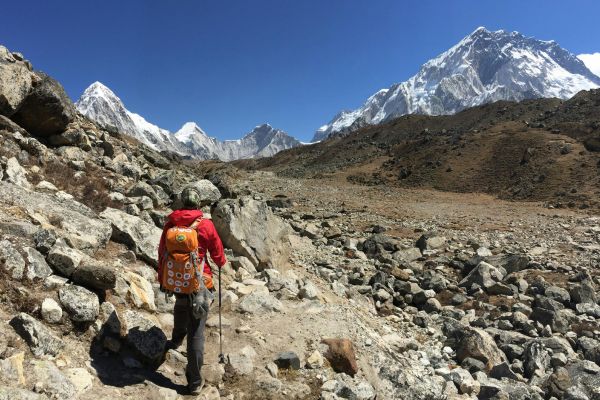
Some trips are built for rest. Others are built for movement, challenge, and the kind of stories people retell for years. That second category has always held a special appeal. It might mean hiking across mountain passes, diving into coral waters, crossing deserts, rafting through canyons, climbing rugged trails, or exploring remote landscapes far from routine life. The destination matters, but the experience matters more.
That is the spirit of Adventure Travel. It asks travelers to participate rather than simply observe. You do not just see a place from a hotel balcony—you feel the wind, navigate the terrain, test your confidence, and discover what you are capable of when comfort becomes less central.
Thrill, however, should never be confused with recklessness. The most rewarding adventures usually come from preparation, awareness, and respect for the environments that make them possible.
What Adventure Travel Really Means
Many people imagine only extreme sports when they hear the phrase. But Adventure Travel is broader than skydiving or technical climbing.
For one person, adventure may be trekking in the Himalayas. For another, it may be kayaking a quiet fjord, cycling across countryside roads, camping under desert stars, or taking a solo trip through unfamiliar regions.
The common thread is engagement. Adventure travel asks something of you—effort, courage, adaptability, curiosity, or resilience.
Choose the Right Challenge Level
Excitement grows when the challenge feels meaningful but manageable. Too easy, and the experience may feel forgettable. Too difficult, and it can become stressful or unsafe.
Be honest about fitness, skill level, comfort with heights or water, prior experience, and how you handle uncertainty. There is no shame in choosing beginner-friendly versions of famous adventures.
A guided glacier walk may be wiser than a technical climb. A scenic rafting trip may be better than advanced rapids for a first-timer.
Good adventures stretch you without overwhelming you.
Research the Environment Carefully
Adventure settings often include variables city travel does not. Weather shifts fast in mountains. Rivers rise. Trails close. Wildlife moves unpredictably. Remote roads may lack services.
Study seasonal conditions, permit requirements, route difficulty, altitude concerns, local hazards, and rescue limitations. Read recent updates when possible.
Preparation often determines whether a trip feels empowering or chaotic.
Respect Professional Guides
Some experiences genuinely benefit from local expertise. Guides can interpret terrain, manage safety, explain culture, monitor conditions, and make better decisions under pressure.
They also often know hidden routes, safer timings, and subtleties visitors would miss entirely.
Among the smartest Adventure Travel habits is recognizing when guidance improves the experience rather than diminishes independence.
Physical Preparation Changes Everything
Adventure often rewards the body you bring with you.
A hiking trip becomes more enjoyable when legs and lungs are ready. Surf lessons improve when mobility exists. Multi-day cycling feels different when some conditioning is already in place.
You do not need elite fitness, but a little preparation can turn suffering into enjoyment.
Even walking regularly before a trip can matter more than people expect.
Pack for Function, Not Fantasy
Adventure packing should be practical. Weather layers, proper footwear, hydration systems, sun protection, first aid basics, navigation tools, and reliable bags matter more than fashionable extras.
People often overpack clothing and underpack essentials.
The right gear does not need to be expensive, but it should suit the activity. Poor shoes on a long trek can become the story of the trip for all the wrong reasons.
Learn Basic Risk Awareness
Adventure does involve risk, but unmanaged risk is different from informed challenge.
Understand weather windows, hydration needs, fatigue signs, route turnaround points, and when to stop. Many problems begin not with dramatic events, but with small ignored warnings.
Ego can be dangerous outdoors. Turning back is sometimes the smartest success of the day.
Embrace Weather as Part of the Story
Adventure travelers sometimes chase perfect conditions and feel disappointed when skies turn gray or wind appears. Yet weather often shapes the most memorable moments.
Mist on a forest trail, sudden snowfall, dramatic clouds over cliffs, or rain that forces laughter around a shelter can become defining memories.
Preparation helps you appreciate conditions instead of resenting them.
Slow Down Enough to Notice Place
Thrill can overshadow attention. It is easy to focus only on completing the route, reaching the summit, or checking off the activity.
Pause occasionally. Notice bird calls, changing light, local plant life, silence, geological textures, or how air feels different at altitude.
Adventure becomes richer when challenge and wonder coexist.
Travel Insurance and Emergency Planning Matter
This topic lacks glamour but deserves seriousness.
Adventure activities may involve remote areas or physical risk. Understand what insurance actually covers. Some policies exclude specific sports or altitudes. Share itineraries when traveling remote. Know emergency numbers or local procedures.
Preparedness may never be needed, which is exactly the point.
Respect Local Communities
Many adventure destinations are also home to people whose lives are not tourism.
Support local guides where appropriate, follow cultural expectations, minimize waste, ask before photographing people, and understand that sacred or traditional spaces deserve care.
Adventure should expand perspective, not reduce places to playgrounds.
Sustainable Adventure Is Better Adventure
Trails erode, reefs suffer, wildlife gets stressed, and fragile landscapes can be damaged by careless visitation.
Stay on marked paths, pack out waste, avoid disturbing animals, and choose operators who respect environmental standards.
The future of Adventure Travel depends partly on travelers protecting what they came to experience.
Solo Adventure vs Shared Adventure
Some adventures deepen in solitude. Solo trekking, cycling, or traveling can sharpen awareness and confidence.
Others become better shared. Multi-day hikes, climbing trips, diving, and expedition-style travel often benefit from partnership, morale, and safety.
Neither style is superior. They simply offer different rewards.
Expect Discomfort
Adventure often includes tired legs, early mornings, wet socks, delayed transport, rough roads, cold nights, or uncertainty.
This discomfort is not always failure. Sometimes it is part of what makes later memories meaningful. Challenge creates contrast that ordinary convenience cannot.
That said, suffering for ego alone is overrated.
Let the Trip Change You a Little
Many people return from adventure travel with more than photos. They may trust themselves more, value simplicity more, fear less, or realize they need less comfort than assumed.
Adventure has a way of revealing character under mild pressure.
That lesson often lasts longer than the adrenaline.
Conclusion
The best Adventure Travel experiences combine excitement with preparation, challenge with humility, and movement with awareness. Whether the journey involves trekking, paddling, diving, climbing, cycling, or exploring remote places, success rarely depends on bravado. It depends on readiness, respect, and openness to uncertainty.
Thrill may attract people to adventure in the first place. But what often keeps calling them back is something deeper: the feeling of being fully awake in the world.