Linen is one of the easiest fabrics to love in warm weather and one of the easiest to overthink. It is breathable, light and naturally relaxed, but its tendency to crease can make a smart outfit look untidy by lunchtime. The answer is not to force linen into looking perfectly pressed. Instead, aim for controlled texture: clean lines, considered styling and a few practical habits that stop the fabric from becoming heavily crushed.
The right fit, colour, layers and care routine can make summer linen outfits look polished while preserving the fabric’s relaxed character.
Accept Soft Creasing, Avoid Deep Wrinkles
Linen fibres have limited elasticity, so they do not spring back into shape as quickly as some synthetic fabrics. Fine creases are normal and part of linen’s appeal. Deep folds, twisted hems and compressed areas are what tend to make an outfit appear neglected.
Before dressing, hang the garment, smooth it with your hands and use a steamer where needed. Focus on the collar, button placket, cuffs, pockets and hem because crisp details make the whole piece look more intentional.
Start with the Right Linen Piece
Choose a Fit That Skims Rather Than Clings
Linen needs room to move. Very tight trousers, shirts and dresses crease sharply at the elbows, waist, hips and knees, while oversized garments can collapse into bulky folds. A relaxed but structured fit is the most reliable middle ground. Look for trousers with a defined waistband, shirts with a neat shoulder line and dresses shaped with seams or a belt.
Consider the Weight and Weave
A useful linen fabric guide begins with weight. Lightweight linen feels cool and airy but may crease quickly and can be slightly sheer. Midweight linen keeps its shape better, making it a strong choice for trousers, overshirts, tailored shorts and office-ready dresses.
Linen blended with cotton, viscose or a small amount of synthetic fibre often wrinkles less. Pure linen has the most distinctive texture, while a blend offers a smoother, easier-care finish.
Build a Polished Outfit Around Structure
One relaxed linen item usually looks more refined when the rest of the outfit provides contrast. Pair wide-leg linen trousers with a fitted cotton T-shirt, a linen shirt with dark straight-leg jeans, or a loose linen dress with a structured bag. Loafers, minimal trainers, flat sandals and low block heels also give the outfit a deliberate finish.
For work, try navy linen trousers with a tucked-in white top and lightweight blazer. For a weekend lunch, wear a sand-coloured linen shirt over a close-fitting vest with tailored shorts.
Use Colour to Make Creases Less Noticeable
Mid-tones, natural shades and subtle patterns tend to disguise wrinkles better than very pale, flat colours. Stone, olive, tobacco, chambray blue and soft navy are especially forgiving. White linen remains a summer classic, but it looks best when the fabric is substantial enough not to appear transparent.
A tonal outfit also looks composed. Combine cream trousers with an oatmeal shirt, or layer different shades of blue so the texture feels intentional rather than busy.
Keep Linen Fresh During the Day
How you sit, travel and carry your belongings affects the fabric almost as much as washing. Before sitting, gently pull trouser or skirt fabric smooth instead of letting it bunch. Avoid stuffing a linen jacket into a tote, and do not leave a garment compressed under a seat belt longer than necessary.
Consider an office commute: you leave home in a pressed linen shirt, travel on a warm train and arrive with a crushed back and wrinkled cuffs. Wear a light overshirt or jacket during the journey, then remove it when you arrive. Keep a small crease-release spray at work, lightly mist problem areas and smooth them with clean hands. Hanging the shirt for ten minutes can also help.
For travel, roll linen loosely rather than folding it into hard rectangles. Unpack it immediately and hang it in the bathroom while you shower. A compact steamer is best for weddings or business trips.
Linen Care Tips That Prevent Heavy Creasing
Wash Gently
Always check the care label, as finishes, dyes and blends can change the recommended method. Many washable linen garments suit a gentle, low-temperature cycle with mild detergent. Leave space in the drum because overloading encourages creasing.
Use a gentler spin where the instructions allow. Remove garments as soon as the cycle ends, shake them out and smooth collars, seams and hems before drying.
Air-Dry with the Shape Restored
Hang shirts and dresses on broad hangers, and hang trousers from the waistband with the legs aligned. Avoid prolonged drying in harsh direct sunlight, particularly for dark colours, as repeated exposure may contribute to fading.
Linen is easiest to press when slightly damp. Iron at the temperature recommended by the label, preferably on the reverse for dark colours, or use steam while gently pulling the fabric into shape.
Store It Ready to Wear
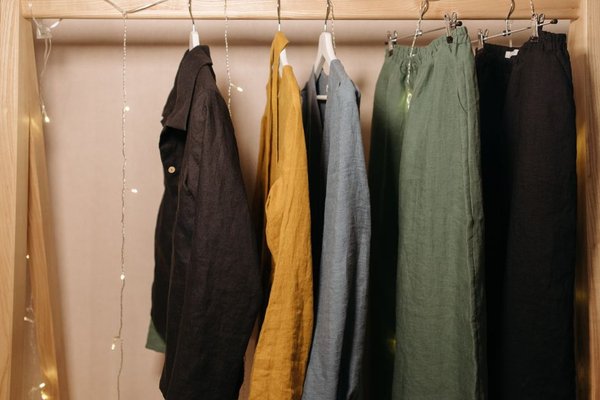
Hang linen jackets, shirts, dresses and trousers with enough space around them. Crowded wardrobes create deep folds. Fold heavier pieces loosely along natural seams and avoid placing a heavy stack on top. These habits work well alongside a fabric care basics guide and advice on how to store seasonal clothes.
Common Styling Mistakes to Avoid
Wearing several extremely loose linen pieces at once can remove all definition. If both the top and bottom are relaxed, add shape with a partial tuck, a belt, rolled sleeves or a cropped layer. Pairing crushed linen with worn shoes and an overfilled bag can also make the whole look seem careless.
Over-ironing is another mistake. Linen does not need to look rigid. Press the areas that frame the garment and allow movement through the body. That balance is useful when planning a summer capsule wardrobe, where each item needs to work across casual and smarter settings.
Frequently Asked Questions
Can linen stay completely wrinkle-free?
Pure linen will usually develop some creasing during wear. Good fit, midweight fabric, careful washing and steaming can reduce deep wrinkles, but a perfectly smooth finish all day is unrealistic. Linen blends generally remain smoother for longer.
Should linen be ironed or steamed?
Both methods work. Steaming is quick for everyday touch-ups, while ironing slightly damp linen gives a sharper result for collars, cuffs and formal outfits. Follow the garment’s care label before applying high heat.
What should I wear under white linen clothing?
Choose smooth, well-fitting underwear close to your skin tone rather than bright white, which may show through. A neutral slip or camisole can provide extra coverage without making the outfit feel heavy.
Is linen suitable for the UK climate?
Yes. Linen is useful during warm spells and holidays, but it also layers well in changeable weather. Add a fine knit, denim jacket, trench coat or lightweight blazer when temperatures drop.
A Better Way to Wear Linen
Looking polished in linen is less about eliminating every crease and more about controlling the overall impression. Choose a balanced fit, add structured accessories, smooth the garment before wearing and care for it before deep wrinkles set. Linen can then keep its breezy character while still looking considered.