Traveling alone across the United States can be liberating, but the best adventures rarely depend on luck. Thoughtful planning helps you enjoy unfamiliar places without spending your trip worrying. These solo travel safety tips for the USA focus on practical decisions: where to stay, how to get around, what to carry, and when to change your plans.
Research Your Stops, Not Just the Destination
Safety varies by neighborhood, time of day, weather, and activity. A walkable downtown hotel and an isolated desert campground call for different solo travel precautions. Look at recent accommodation reviews, nearby transit, local alerts, and the route from your arrival point. A place described as generally safe may still have poorly lit streets or limited late-night transport.
Instead of relying on a universal ranking of safe solo travel destinations, choose locations that match your experience. For a first trip, reliable transport, staffed lodging, and accessible daytime activities may matter more than finding the cheapest room.
Give Someone a Useful Check-In Plan
Share your hotel details, travel dates, and general itinerary with a trusted contact. Agree on check-in times and what they should do if you miss one. “I’m hiking until 4 p.m.; please call if I haven’t checked in by 7” provides a clearer plan than “I’ll message later.” Update them if your route changes.
Store backup copies of identification, insurance documents, and reservation details securely, somewhere you can access without your main phone.
Book Accommodation with Arrival in Mind
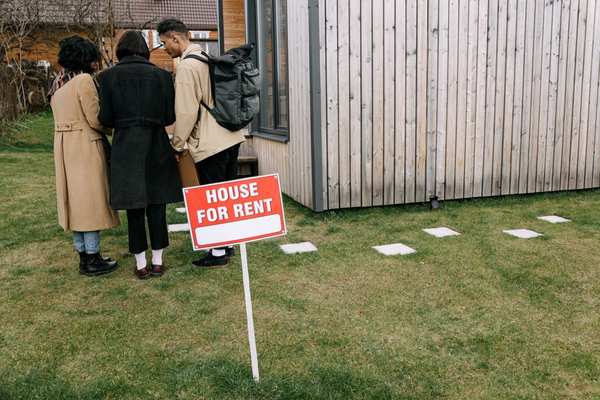
Recent guest reviews can reveal problems with locks, lighting, staff availability, or access after reception closes. Confirm check-in instructions before traveling. A bargain is less appealing if you’re standing outside with luggage late at night.
When you reach your room, test the door and window locks. Avoid sharing your room number with strangers or posting your exact location publicly in real time. If the property feels unsafe, ask for another room or find alternative lodging. Flexibility belongs in your travel budget.
Plan the First and Last Mile
Before arriving at an airport or station, identify the official taxi area, public transport route, or rideshare pickup point. Verify the vehicle and driver against your app, and decline unsolicited rides. At night, a direct ride may be worth the added cost when the alternative involves unfamiliar transfers or a long walk.
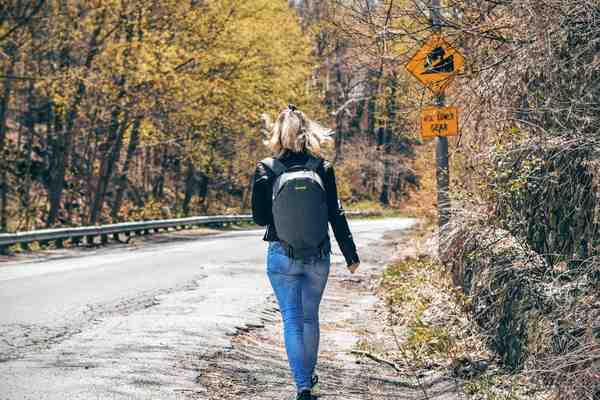
Keep navigation accessible without staring continuously at your screen. If a walking route becomes deserted, pause in a staffed business and reconsider. Traveling alone safely sometimes means choosing the busier, longer route.
For domestic flights, check current TSA identification requirements. Since May 2025, a standard state-issued license that is not REAL ID-compliant is generally insufficient at the security checkpoint without another acceptable document, such as a passport.
Protect Your Money, Phone, and Privacy
Carry only the cash and cards you need for the day, with backups stored separately. Use bags that close securely, activate transaction alerts, and lock your phone with a strong passcode. Keep essential documents available offline, and be cautious when accessing financial accounts over unfamiliar Wi-Fi.
A power bank, necessary medication, and downloaded maps are simple safeguards. Include them in your road trip packing checklist if you’re driving between cities, where cell coverage and convenient shops cannot always be assumed.
Make Road Trips Less Demanding
Driving alone requires realistic distances. Plan fuel or charging stops, take breaks before becoming exhausted, and avoid long drives immediately after an overnight flight. Drowsiness is a reason to stop somewhere safe, not to turn up the music.
Check official weather and road alerts before remote journeys, particularly during winter storms, extreme heat, or heavy rain. Keep water and suitable clothing accessible. The National Weather Service warns against entering floodwater on foot or in a vehicle; a road that looks shallow may be dangerous.
Use a Different Safety Standard Outdoors
A museum visit and a remote hike are not interchangeable risks. The National Park Service recommends leaving a trip plan, checking trail conditions and weather, and preparing for unreliable mobile reception. Some backcountry routes are safer with a companion or organized group. A guided hike still leaves plenty of room for independent discovery.
Imagine stopping at a national park during a solo road trip. An afternoon trail looks manageable, but storms are forecast and sunset is approaching. Ask a ranger about conditions, download an offline map, share your expected return time, and select a shorter trail—or postpone the hike. Knowing when to turn back is a practical solo trip safety skill.
Meet People Without Giving Up Boundaries
Walking tours, group activities, and communal meals make solo trips more social. You can enjoy them without telling new acquaintances exactly where you’re staying or what your plans are tomorrow. Keep control of your drink and arrange your own reliable journey back.
If a situation feels uncomfortable, move toward staff or a busy public area. You don’t owe anyone an explanation for declining an invitation. Those boundaries are part of confident independent travel, not a reason to avoid conversations.
Have an Emergency Plan Before You Need It
For an immediate emergency in the United States, call 911 where service is available. Save a trusted contact’s number offline, and know how to freeze lost cards through your bank. International visitors should also keep their embassy or consulate information accessible. Enable local weather alerts and follow instructions from emergency officials.
Before setting off, reviewing a first-time solo travel planning guide or a guide to the best US cities for solo travelers can help connect these precautions to a realistic itinerary.
Frequently Asked Questions
Is it safe to travel alone in the USA?
Many travelers explore the country independently without problems, but nowhere is risk-free. Neighborhood, time, activity, and transport arrangements matter more than sweeping assumptions about an entire state or city. Research each stop and adapt your plans to current conditions.
What should I do if I feel unsafe?
Move to a well-lit public place with staff, contact someone you trust, and arrange safe transportation. Call 911 if there is an immediate threat. You can leave an uncomfortable situation without waiting for proof that something is wrong.
Are hotels safer than hostels for solo travelers?
Neither type is automatically safer. Check recent reviews, controlled entry, room security, location, and staff availability. Hostels can offer social opportunities; hotels often provide more privacy. Evaluate the individual property and your own comfort level.
Should I share my live location?
Sharing location privately with someone you trust can be useful, especially for remote activities, but it is optional. An itinerary and agreed check-in schedule are alternatives. Avoid broadcasting your real-time location through public social media posts.
Travel with Confidence and Flexibility
Good solo travel precautions usually happen quietly: a sensible arrival plan, a secure room, realistic driving distances, and someone who knows when to expect you. Leave room to change course if weather, fatigue, or instincts tell you otherwise. Planning well doesn’t make the journey less spontaneous; it makes more of it yours to enjoy.