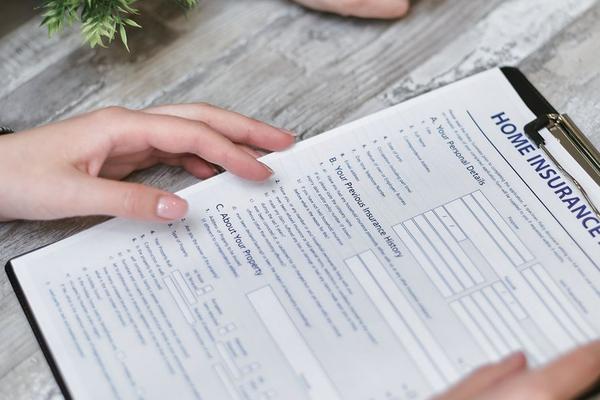
A dinner guest trips on your front steps and breaks an ankle. Weeks later, you receive a demand for medical bills and lost wages. Your homeowners policy may help even though nothing happened to your house. That is the purpose of personal liability coverage in homeowners insurance: financial protection when you are legally responsible for certain injuries or damage to another person’s property.
It can extend beyond your front door, but it does not pay every claim. Knowing what triggers coverage, how lawsuits are handled, and where exclusions begin makes the protection much easier to understand.
What Does Personal Liability Coverage Pay For?
Usually labeled Coverage E, homeowners personal liability insurance applies when an insured person becomes legally responsible for covered bodily injury or property damage. It may pay damages and provide legal defense against a covered lawsuit, subject to the policy’s conditions.
This is protection for claims involving other people, not insurance for your own possessions. Coverage E homeowners provisions mainly address bodily injury liability and damage to property belonging to others.
An injury at your home does not automatically make you liable. The circumstances, negligence or other legal basis for responsibility, policy definitions, and exclusions all influence the outcome.
Common Situations Where Coverage May Help
A Guest Gets Injured
Imagine your porch light has been broken for weeks. A guest falls on poorly lit steps and suffers an injury. If you are legally responsible, your policy may help with covered medical losses, lost earnings, or other damages, as well as legal defense costs. The outcome depends on the facts, not simply whether the accident happened at your address.
Someone Else’s Property Is Damaged
Your child hits a baseball through a neighbor’s window and damages the television inside. Depending on the circumstances, personal liability insurance may cover the resulting property damage. If the ball breaks your own window instead, that is a property insurance question rather than a liability claim.
Your Dog Injures Someone
A dog bite at home or in a park can sometimes trigger homeowners liability protection. However, an insurer might exclude a particular pet or certain animal-related incidents. Check the policy before assuming all pet injuries qualify.
Can Liability Protection Follow You Away From Home?
Yes, often. Many homeowners policies extend personal liability coverage beyond your property. Accidentally damaging a friend’s belongings during a visit could qualify, depending on how the damage occurred and whether an exclusion applies.
But coverage is not universal. Auto accidents generally require auto liability insurance, while some boats, recreational vehicles, business activities, and rental arrangements need different protection. Liability protection at home and away still depends on the contract.
Coverage E Versus Coverage F: A Crucial Difference
Coverage E addresses legal responsibility for covered injuries and property damage. Coverage F, called Medical Payments to Others, may pay limited eligible medical bills after certain accidents without first establishing that you were at fault.
If a visitor falls and needs a small medical examination, Coverage F may help. If that visitor later alleges negligence and seeks substantial damages, Coverage E may provide the lawsuit protection homeowners insurance is designed to offer. They are separate coverages with different limits and rules.
Neither normally replaces health insurance for you or your household. For related details, explore our guide to medical payments coverage in homeowners insurance.
What Is Usually Not Covered?
Typical exclusions include intentional injuries or property damage, many business or professional activities, most motor vehicle liability, injuries to insured household members, and damage to property owned by an insured.
Special rules can also affect certain animals, watercraft, contractual obligations, and properties rented to others. A side business run from your house or a short-term rental can create liability exposures beyond an ordinary homeowners policy.
Exclusions vary, and exceptions or endorsements may change the result. Read the policy’s definitions and exclusions together. Our guide to homeowners insurance exclusions offers a useful starting point for questions to raise with your insurer.
How Much Liability Insurance Should You Carry?
Personal liability limits often start around $100,000. Many insurers offer higher options such as $300,000 or $500,000. Your declarations page identifies your limit, which is distinct from your dwelling’s rebuilding coverage.
In a serious injury claim, damages could involve treatment, lost earnings, long-term care, and other losses. Weigh your savings, assets, income exposure, household activities, and the price of raising the limit. Ask how defense expenses are handled because policy wording determines whether they reduce available coverage.
A personal umbrella policy may provide additional liability protection above your homeowners limit, subject to its own terms and underlying insurance requirements. Compare the options in our guide to umbrella insurance versus homeowners liability.
What to Do When an Accident Happens
Attend to safety and urgent medical needs first. Record the time, circumstances, witness information, and photographs where appropriate. Notify your insurer promptly, even before a lawsuit is threatened, and preserve letters, invoices, and legal notices.
Forward legal documents without delay. Do not promise a settlement without consulting the insurer. Ask the claims representative which coverage applies and what steps are required. Property insurance deductibles and liability claim handling can differ, so do not assume the same deductible applies.
Frequently Asked Questions
Does homeowners liability cover lawsuits?
It can provide a defense against lawsuits alleging covered bodily injury or property damage and pay eligible settlements or judgments. Limits, exclusions, and the specific allegations determine the insurer’s obligations.
Will homeowners insurance pay if a friend slips in my house?
Possibly. Coverage E may apply if you are legally responsible. Coverage F may pay certain smaller medical bills even when your fault has not been established.
Does personal liability cover damage to my own house?
No. Liability insurance addresses covered injuries to others or damage to their property. Damage to your own home is considered under property coverage if the cause of loss is insured.
Is $100,000 in personal liability coverage enough?
Not necessarily. That may be a starting limit, but your financial exposure could justify more. Compare higher limits and umbrella insurance with a licensed insurance professional.
Review the Protection Before You Need It
A minor accident can become a major financial problem when someone is badly hurt or property is expensive to replace. Personal liability coverage can help protect your finances and provide legal support for covered claims. Check your Coverage E limit, understand Coverage F, and ask about any unusual household risks now rather than after a claim arrives.