Traveling across the United States on your own can feel liberating and slightly intimidating, especially when every decision is yours. For women traveling alone, the best trips usually come from confidence plus preparation rather than trying to eliminate every possible risk. The USA is vast, and a weekend in Boston is very different from a road trip through Utah. A smart plan accounts for those differences while leaving room for spontaneity.
Choose Destinations That Match Your Solo Travel Style
There is no single list of the safest cities for women that applies to every traveler. Safety can vary by neighborhood, time of day, transport method, and season. Instead of relying on a broad ranking, research the specific areas where you plan to stay and spend time. Check recent local guidance, read accommodation reviews that mention the surrounding streets, and map the route between your hotel, transport stops, restaurants, and main attractions.
For a first solo trip, cities with compact sightseeing areas and strong public transport can simplify the experience. Boston offers historic neighborhoods and a walkable central core. Washington, DC combines major museums and monuments with an extensive Metro system. San Diego suits travelers who want beaches, neighborhoods, and outdoor time. These can be practical female travel destinations, but normal precautions still apply.
Build Your Itinerary Around Arrival and Departure
One of the most useful solo female travel tips is to pay extra attention to the first and last hour in a new place. Arriving in daylight can make it easier to find your accommodation and understand the neighborhood. Before your flight or train arrives, save the accommodation address offline and decide how you will get there.
Imagine landing at an unfamiliar airport at 10:30 p.m. with low phone battery and no transport plan. The same arrival becomes far less stressful if you have already saved the hotel address, downloaded the local transit map, identified the official taxi or rideshare pickup area, and sent your expected arrival time to someone you trust. A few minutes of preparation can prevent several problems.
Use Transportation Strategically
Public transportation can be one of the easiest ways to explore major US cities, but comfort levels can change by route and hour. Use official transit information, check service alerts, and avoid waiting alone in poorly lit or deserted areas when another option is available. If a station or carriage feels uncomfortable, move toward a busier area rather than worrying about appearing rude.
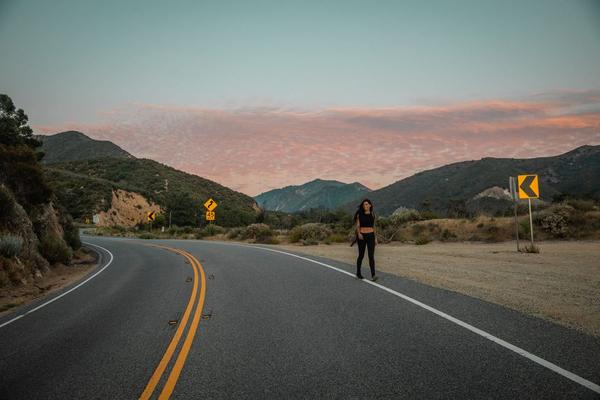
With rideshare services, verify the vehicle and driver details shown in the app before entering. When possible, wait inside a hotel, restaurant, or other populated place. If you are renting a car, plan fuel and rest stops before long drives, especially in rural parts of the West where services may be farther apart than they appear on a map.
Plan Outdoor Adventures Differently From City Trips
National parks are a major reason to explore the USA, but solo outdoor days need a different routine. The National Park Service advises visitors to check current conditions, weather, closures, terrain, permits, and required gear before heading out. It also recommends sharing a trip plan with a trusted contact and carrying backup navigation because phones, batteries, and coverage can fail.
If you are hiking alone, choose a route that fits your actual experience rather than the most dramatic trail on social media. Start early enough to finish before dark, carry enough water for local conditions, and turn around if weather or trail conditions deteriorate. An offline map is useful, but should not be your only plan.
Pack for Independence, Not Every Possible Emergency
A good solo packing list focuses on keeping you mobile and connected. Bring a portable power bank, a small first-aid kit, essential medication, comfortable shoes, and a backup payment method stored separately from your main wallet. Keep digital copies of important bookings where you can reach them without relying on one device.
Pack light enough to manage your own luggage on stairs, public transport, and short walks. A simple capsule wardrobe can make multi-city trips easier and reduce the stress of constantly repacking.
Make Everyday Safety Habits Feel Normal
Good safety habits should support the trip rather than dominate it. Share your basic itinerary with a trusted person and check in at agreed times, particularly before remote drives or hikes. Keep drinks in your possession in bars and social settings, and avoid sharing accommodation details with people you have just met. If a situation feels wrong, leaving early is a valid decision even when you cannot explain exactly why.
Women traveling alone also benefit from choosing accommodation for location, not just price. A cheaper room can become poor value if you repeatedly pay for rides because you do not feel comfortable walking back after dinner. Spending a little more for a well-reviewed property near your main activities can reduce transport complexity and make evenings easier.
Balance Caution With the Freedom of Solo Travel
Solo travel is not about staying alert every second. Build a few reliable routines, then give yourself permission to enjoy the independence. Book a group activity if you want easy social contact, sit at a café without rushing, change plans when a neighborhood catches your attention, or spend longer at a museum because nobody else is waiting.
FAQ About Solo Female Travel in the USA
Is the USA safe for solo female travelers?
Many women travel alone throughout the United States, but safety conditions vary between cities, neighborhoods, rural areas, and outdoor destinations. Research the exact places on your itinerary, plan transport in advance, and adapt your precautions to the setting.
What is a good US city for a first solo female trip?
A first-time solo traveler may prefer a city where attractions are concentrated and public transport is straightforward. Boston and Washington, DC are practical examples for travelers interested in history, museums, and walkable sightseeing areas.
Should I rent a car when traveling alone in the USA?
It depends on the itinerary. A car is often unnecessary in dense city centers but can be very useful for national parks, smaller towns, and regional road trips. If driving alone, plan fuel stops, avoid beginning long unfamiliar routes when tired, and download maps for areas with limited mobile coverage.
How can I feel less nervous before my first solo trip?
Reduce uncertainty before departure. Know how you will reach your accommodation, save key addresses offline, make a simple first-day plan, and tell someone you trust when you expect to arrive. Confidence often grows once the first practical steps of the trip go smoothly.
Explore the USA With a Plan That Leaves Room to Breathe
The most useful solo female travel USA guide is not a list of rigid rules; it is a framework for making good decisions in different settings. Research neighborhoods rather than relying on citywide labels, plan arrivals carefully, use transport intentionally, and prepare more thoroughly for remote outdoor adventures. Once those foundations are in place, solo travel becomes less about managing fear and more about enjoying the freedom to shape each day around your own interests.