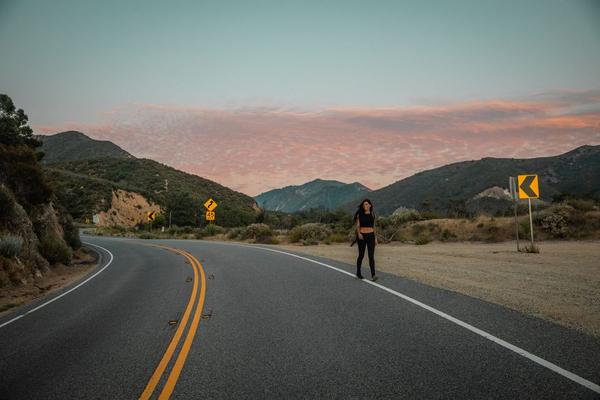
Exploring the United States alone can feel both liberating and intimidating, especially on a first trip. The country is vast, transport systems vary by city, and the experience of a woman travelling alone can change dramatically between a busy downtown, a coastal town, and a remote national park. A thoughtful plan does not remove spontaneity; it creates enough confidence to enjoy it.
This solo female travel USA guide focuses on practical decisions that matter most: choosing an easy first destination, moving around safely, packing light, handling uncomfortable situations, and building an itinerary that still feels flexible.
Choose a Destination That Matches Your Comfort Level
Look for a destination with straightforward transport, well-reviewed accommodation, active public areas, and attractions that fit your interests. A compact city can be easier if you prefer walking, while a destination with reliable trains or buses may suit you better than one that requires driving.
Good Starting Points for Solo Women
Boston works well for history, museums, and neighbourhood walking. Washington, DC offers many attractions close to Metro stations, while New York City provides frequent transport and plenty of activity. San Diego appeals to travellers who want beaches and a slower pace. Portland, Maine and Savannah can suit women who prefer smaller cities with walkable central districts.
Lists of the safest cities for women can inspire ideas, but they are not guarantees. Safety varies by neighbourhood, time of day, transport route, and local events. Check recent information from official city, transit, accommodation, and park sources before booking.
Build an Itinerary Around Daylight and Location
Schedule unfamiliar neighbourhoods, long walks, and outdoor activities during daylight. Save evening plans for places near your accommodation or venues with a clear route home.
Imagine spending three days in Washington, DC. You could visit the National Mall and Smithsonian museums during the day, eat dinner near a busy Metro station, and return before service becomes less frequent. On another day, a guided neighbourhood tour can provide local context before you explore independently.
Choose accommodation based on location rather than price alone. Read recent reviews from solo travellers, check how far the entrance is from public transport, and examine the route on street view. Paying slightly more may be worthwhile if it avoids late-night travel and complicated transfers.
Use Transport With a Plan
Women travelling alone often feel more confident when they know how they will leave an airport, station, or evening venue. Download local transport maps before arrival, keep the accommodation address saved offline, and identify a backup option.
On public transport, wait in well-lit areas and stay near other passengers when possible. Keep your phone charged without becoming so absorbed in it that you lose awareness. In a taxi or rideshare, confirm the vehicle and driver details before entering and follow the route on your own map.
If you rent a car, avoid leaving bags visible, refuel before entering remote areas, and check parking rules in advance. Plan realistic distances rather than trying to cross several states in a few days.
Pack for Mobility, Not Every Possibility
Choose a bag you can lift onto a train, carry up stairs, and manage in a crowded station. Keep identification, medication, a charging cable, and one change of clothes in your carry-on.
Useful items include a portable battery, refillable water bottle, small first-aid kit, weather-appropriate layers, and a doorstop alarm if it helps you sleep. Carry-on liquids generally need to follow the TSA 3-1-1 rule, so check current guidance before flying. Medically necessary liquids may be handled differently and should be declared for screening.
One of the most useful solo female travel tips is to split important items. Keep one payment card in your day bag and another in a separate secure place. Store protected digital copies of key documents rather than relying only on your phone gallery.
Stay Connected Without Sharing Too Much
Send a trusted person your accommodation details and a simple itinerary. Agree on a realistic check-in routine, such as a message after arriving in a new city. For hikes or remote drives, share the exact route and expected return time.
Avoid posting your live location publicly while you are still there. If someone asks where you are staying, a general answer is enough. You do not owe strangers details about your plans or whether anyone is expecting you.
Trust Discomfort and Leave Early
If a street, venue, driver, tour, or conversation feels wrong, leave without worrying about appearing rude. Step into a hotel lobby, shop, restaurant, or staffed station while deciding what to do next.
Keep emergency alerts enabled and remember that 911 is the emergency number throughout the United States. In national parks, mobile coverage may be limited. The National Park Service advises solo hikers to plan carefully, choose routes suited to their abilities, check conditions, and leave a trip plan with a trusted contact.
Make Space for Enjoyment
Safety planning should support the trip, not dominate it. Book one activity that creates connection, such as a food tour, museum programme, group hike, or workshop. Leave open time for a café, waterfront walk, or neighbourhood you discover after arrival.
Female travel destinations are more rewarding when chosen around genuine interests. A music fan may prefer Nashville, an art lover Santa Fe, and an outdoor traveller a well-managed national park. The right trip is the one that feels exciting and manageable to you.
Natural related reading opportunities include a first-time solo travel checklist, a guide to planning a USA road trip, and tips for choosing safe travel accommodation.
Frequently Asked Questions
Is the USA safe for solo female travel?
Many women travel alone across the USA successfully, but conditions vary widely. Research specific neighbourhoods, use recent local information, plan transport, and adjust your schedule if something feels uncomfortable.
What is the best US city for a first solo trip?
Boston, Washington, DC, New York City, and San Diego are popular starting points because they offer major attractions and multiple accommodation options. The best choice depends on your budget, transport confidence, and interests.
Should a solo female traveller rent a car?
A car is useful for rural areas, road trips, and some national parks. In cities with strong public transport, it may add parking costs and stress. Compare the complete route before deciding.
How can I feel less lonely when travelling alone?
Plan a mix of independent time and social activities. Walking tours, classes, shared day trips, and conversations with staff can provide connection without requiring a travel companion.
Travel With Confidence, Not Pressure
Solo travel does not require fearlessness. It requires preparation, flexibility, and permission to change your mind. Start with a destination that feels manageable, keep transport and accommodation simple, and build confidence one decision at a time. The USA offers cities, coastlines, small towns, and dramatic landscapes, so your first solo trip can follow your own pace rather than anyone else’s expectations.