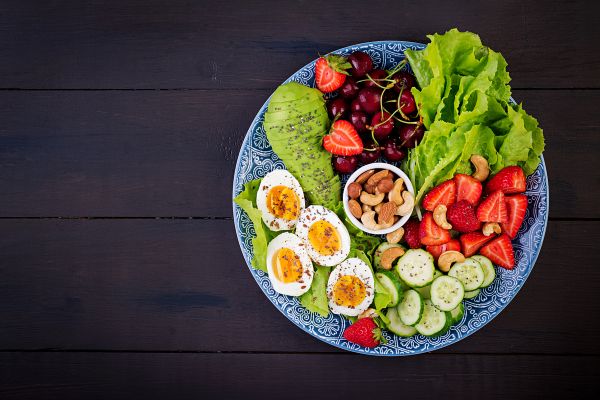
The paleo diet has a way of bringing food back to basics. It focuses on ingredients that feel close to nature: vegetables, fruits, eggs, fish, meat, nuts, seeds, herbs, and healthy fats. Instead of leaning on packaged meals or heavily processed foods, paleo-style eating encourages simple cooking with real ingredients. That does not mean every meal has to be plain or repetitive. In fact, some of the best Paleo Diet Meal Ideas are colorful, satisfying, and full of flavor.
For many people, the appeal of paleo cooking is its straightforward rhythm. A good meal might be grilled chicken with roasted vegetables, eggs with avocado and greens, or salmon with a bright herb sauce. Nothing feels overly complicated, yet the plate still feels complete. It is the kind of food that can work for busy weekdays, relaxed weekends, family dinners, and even meal prep.
The key is variety. When paleo meals are planned with different textures, spices, and seasonal ingredients, they can feel fresh instead of restrictive.
Understanding the Paleo Plate
A paleo-style plate usually begins with a quality protein. This might be chicken, turkey, beef, eggs, fish, or seafood. Around that, you can build the meal with vegetables, fruit, nuts, seeds, and natural fats such as olive oil, avocado oil, or coconut milk. The diet generally avoids grains, legumes, dairy, refined sugar, and highly processed foods.
At first, that may sound limiting, especially if someone is used to bread, pasta, rice, or beans at every meal. But once you shift the focus toward whole ingredients, the options open up. Sweet potatoes can bring heartiness. Cauliflower can become mash or rice. Zucchini can turn into noodles. Lettuce wraps can replace sandwich bread. Sauces made with herbs, citrus, garlic, tahini-style alternatives, or avocado can add richness without needing cream or cheese.
Good paleo cooking is not about copying modern meals exactly. It is about creating food that feels satisfying in its own right.
Energizing Paleo Breakfast Ideas
Breakfast can be one of the easiest places to begin. Eggs are naturally useful in paleo cooking because they are quick, filling, and easy to pair with vegetables.
A vegetable omelet with spinach, mushrooms, onions, and peppers makes a warm, savory breakfast that does not feel heavy. Add sliced avocado on the side, and the meal becomes creamy and satisfying. Scrambled eggs with fresh herbs and roasted tomatoes can feel simple but still special, especially when cooked slowly instead of rushed.
For mornings when you want something different, a sweet potato breakfast hash is a beautiful option. Cubed sweet potatoes can be cooked with onions, bell peppers, garlic, and ground turkey or leftover chicken. A fried or poached egg on top makes it feel complete. The natural sweetness of the potatoes balances the savory spices, giving the dish a cozy breakfast feel.
Paleo breakfasts do not always have to include eggs either. A bowl of fruit with nuts, seeds, coconut flakes, and a spoonful of almond butter can work well when you want something lighter. Chia pudding made with coconut milk and topped with berries is another easy option, especially if prepared the night before.
Fresh and Filling Lunches
Lunch needs to be practical. It should be easy to pack, quick to assemble, or simple to reheat. Some of the most useful Paleo Diet Meal Ideas are built around leftovers, which makes lunch less stressful.
A grilled chicken salad can become much more interesting with the right ingredients. Instead of plain lettuce and chicken, try mixed greens with cucumber, roasted sweet potato, avocado, toasted almonds, and a lemon-olive oil dressing. The mix of warm and cool, crisp and creamy, makes it feel like a proper meal rather than an afterthought.
Lettuce wraps are another flexible lunch idea. Large lettuce leaves can hold sliced chicken, turkey, tuna, shredded beef, or egg salad made with avocado instead of mayonnaise. Add crunchy vegetables, herbs, and a squeeze of lime for brightness. They are light but still satisfying when filled generously.
A paleo lunch bowl is also easy to adapt. Start with cauliflower rice or leafy greens, then add protein, roasted vegetables, and a flavorful sauce. For example, a bowl with grilled shrimp, cauliflower rice, mango salsa, avocado, and lime can feel fresh and summery. In cooler months, roasted carrots, chicken, sautéed greens, and garlic sauce can make the same format feel warm and grounding.
Simple Paleo Dinner Recipes
Dinner is where paleo cooking can really shine. Since the focus is on whole ingredients, many meals naturally feel hearty and homemade.
Roasted chicken with vegetables is a classic for a reason. A whole chicken or chicken thighs can be seasoned with garlic, lemon, rosemary, salt, and pepper, then roasted with carrots, onions, and sweet potatoes. The juices flavor everything in the pan, creating a meal that tastes comforting without needing much effort.
Salmon with roasted asparagus and mashed cauliflower is another elegant but simple dinner. The salmon cooks quickly, the asparagus brings freshness, and the cauliflower mash gives that soft, cozy texture people often miss when avoiding regular mashed potatoes. A little olive oil, garlic, and fresh parsley can make the whole plate feel bright.
For something more rustic, beef and vegetable stew fits beautifully into paleo-style eating. Slow-cooked beef with carrots, celery, onions, mushrooms, herbs, and broth creates a rich meal that feels especially good on colder evenings. Since traditional flour-based thickeners are not needed, the stew can be thickened naturally by simmering it longer or adding mashed vegetables into the broth.
Paleo Comfort Food Without the Heaviness
One mistake people sometimes make is thinking paleo meals must be very strict and serious. They can be playful too. Many comfort foods can be reimagined in a paleo-friendly way while still feeling generous.
Cauliflower fried rice is a good example. Finely chopped cauliflower cooks quickly and absorbs flavor from garlic, ginger, vegetables, eggs, and coconut aminos. Add chicken, shrimp, or beef, and it becomes a quick dinner that satisfies the craving for a warm, savory bowl.
Zucchini noodles with meat sauce are another favorite. The noodles are light, but a rich tomato sauce with ground beef, garlic, basil, and mushrooms makes the dish feel filling. The trick is not to overcook the zucchini. A quick toss in the pan keeps the texture pleasant instead of watery.
Stuffed peppers also work well for paleo meals. Bell peppers can be filled with ground turkey or beef, cauliflower rice, tomatoes, onions, and spices, then baked until tender. They look colorful on the plate and make excellent leftovers.
Seasonal Paleo Meal Inspiration
Paleo cooking becomes easier when it follows the seasons. Seasonal ingredients often taste better and need less effort to shine.
In spring, meals can feel fresh and green. Think grilled chicken with asparagus, egg salad lettuce cups, herb-filled omelets, and salads with radishes, cucumbers, and fresh herbs. Lemon, parsley, mint, and dill can make simple dishes feel alive.
Summer paleo meals can be relaxed and colorful. Grilled fish with peach salsa, bunless burgers with salad, shrimp skewers, zucchini noodles, and chilled cucumber salads all fit the mood. Fresh berries, melon, and stone fruit can add natural sweetness without needing heavy desserts.
Autumn brings deeper flavors. Roasted squash, sweet potatoes, apples, Brussels sprouts, and slow-cooked meats all feel right at this time of year. A turkey and sweet potato skillet or pork chops with sautéed apples can bring warmth without feeling overly rich.
Winter is perfect for soups, stews, roasted meats, and oven-baked vegetables. Chicken soup with vegetables, beef stew, roasted salmon, and cauliflower mash can make cold evenings feel much more comfortable.
Easy Paleo Snacks for Busy Days
Snacks can be helpful, especially when meals are spaced far apart. Paleo snacks work best when they are simple and not overly processed.
Fresh fruit with a handful of nuts is one of the easiest options. Apple slices with almond butter feel sweet, crisp, and filling. Hard-boiled eggs are practical for busy mornings or afternoon hunger. Vegetable sticks with guacamole can bring crunch and creaminess at the same time.
Leftover roasted chicken, turkey slices, olives, berries, coconut chips, or a small handful of seeds can also work. The goal is not to snack constantly, but to have real-food options ready when needed. That way, hunger does not turn into a search for whatever is quickest and least satisfying.
Paleo Meal Prep That Actually Helps
Meal prep does not need to mean cooking a week of identical meals. In fact, paleo meal prep is often better when you prepare building blocks instead of full dishes.
Roast a tray of vegetables. Cook a few portions of chicken or ground turkey. Make cauliflower rice. Wash greens. Boil eggs. Prepare a simple dressing with olive oil, lemon, garlic, and herbs. With these basics ready, meals can come together quickly without feeling repetitive.
For example, roasted chicken can become a salad one day, lettuce wraps the next, and a cauliflower rice bowl later in the week. Sweet potatoes can work at breakfast with eggs or at dinner with grilled fish. A homemade sauce can make simple leftovers feel new again.
This flexible style of prep keeps paleo eating realistic. It gives structure without making every meal feel planned to the last bite.
Adding Flavor Without Processed Ingredients
Flavor is what keeps paleo meals enjoyable. Herbs, spices, citrus, garlic, onions, ginger, and fresh sauces can completely change the mood of a dish.
A simple grilled chicken breast can taste Mediterranean with oregano, lemon, garlic, and olives. It can feel smoky and warm with paprika, cumin, and roasted peppers. It can become bright and tropical with lime, cilantro, and pineapple salsa. The same basic ingredient can move in many directions.
Sauces are especially useful. Avocado blended with lime and herbs makes a creamy topping for bowls or grilled meat. Coconut milk can create rich curries with vegetables and seafood. Fresh tomato salsa adds brightness to eggs, fish, or lettuce wraps. Once you have a few go-to flavors, paleo meals become much easier to enjoy every day.
Keeping Paleo Meals Balanced and Enjoyable
The best way to approach paleo cooking is with common sense and flexibility. A meal should leave you satisfied, not deprived. Protein brings fullness, vegetables bring color and freshness, healthy fats add richness, and fruit or starchy vegetables can provide natural sweetness and energy.
It also helps to avoid comparing every paleo dish to the food it replaces. Cauliflower rice is not exactly rice. Zucchini noodles are not exactly pasta. But they can still be delicious when treated as their own ingredients. When cooked with care, they bring freshness, texture, and variety to the plate.
Paleo Diet Meal Ideas work best when they feel like real meals, not substitutes. A roasted chicken dinner, a salmon plate, a breakfast hash, or a vibrant salad bowl can stand on its own beautifully.
Conclusion
Paleo cooking does not have to be complicated, bland, or overly strict. At its best, it is simple food made with care: fresh vegetables, quality proteins, natural fats, fruit, herbs, and warm, satisfying flavors. From egg breakfasts and colorful lunch bowls to roasted dinners, stews, and easy snacks, there are plenty of ways to keep meals interesting.
The most useful Paleo Diet Meal Ideas are the ones that fit naturally into everyday life. They make room for quick lunches, cozy dinners, seasonal produce, and small moments of enjoyment around the table. When the focus stays on real ingredients and balanced flavors, paleo meals can feel both nourishing and genuinely enjoyable.