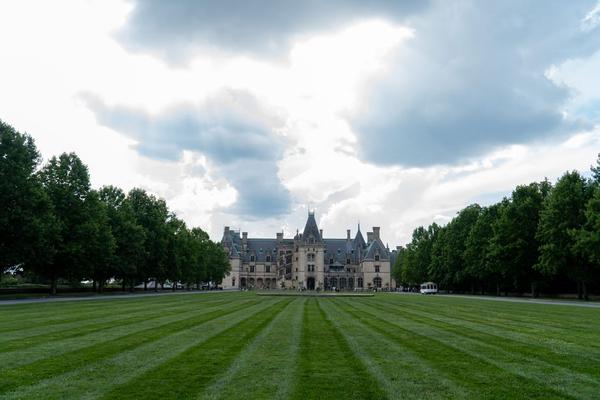
Asheville rewards travelers who want more than one kind of mountain escape. Spend a morning beneath the Blue Ridge Mountains, linger over an inventive lunch downtown, then finish with a spa visit or live music. Known for the Biltmore Estate, this western North Carolina city also offers independent restaurants, creative neighborhoods, and a relaxed approach to wellness. The best time to visit depends on what you want your days to feel like.
When Is the Best Time to Visit Asheville?
For most travelers, April through May and September through October offer a compelling combination of pleasant Asheville weather, mountain scenery, and outdoor activities. October is especially popular for leaf-peeping; late spring brings blooming gardens. Each season has advantages.
Spring: Gardens and Comfortable Walks
April and May are excellent for a first visit. Downtown patios become inviting, woodland trails turn green, and the North Carolina Arboretum and Biltmore gardens display seasonal blooms. Conditions remain changeable: a sunny afternoon can follow a chilly morning. Pack layers and a rain jacket.
Summer: Long Days and Green Mountains
June through August suits travelers seeking hiking, outdoor music, and long evenings. Higher elevations can be cooler than downtown, but summer is often warm and humid, with afternoon thunderstorms. Start exposed hikes early, carry water, and save cafés or museums for rainy periods.
Fall: Foliage and Popular Weekends
September and October are famous for autumn color. Leaves generally change first at higher elevations from late September into early October, then progress toward Asheville’s lower neighborhoods later in the season. There is no guaranteed peak weekend. Demand for lodging and restaurants rises during popular foliage periods, so book ahead.
Winter: Quieter Sightseeing
Winter offers crisp walks, relaxed gallery visits, and cozy coffee shops. It can be ideal for a spa-focused break, but freezing temperatures and occasional snow can close mountain roads even when downtown is accessible. Keep outdoor plans flexible.
What to Know About Asheville Weather
Asheville has four distinct seasons, yet elevation makes forecasts tricky. A mountain overlook can be colder and windier than Pack Square. Bring sun protection and rainwear in summer, a fleece in spring and fall, and warm clothing in winter. Check both the city forecast and conditions at your chosen trail or scenic drive. For foliage trips, allow two nights or more so you can explore different elevations.
Top Asheville Attractions Beyond Biltmore
Downtown Asheville
Begin around Pack Square and wander through historic blocks, independent shops, and galleries. The pleasure is discovering small stops rather than racing between landmarks. The Asheville Art Museum is a worthwhile indoor option, while downtown’s restaurants and music venues make it easy to stay into the evening.
River Arts District
The River Arts District is known for working studios, murals, and artists who sell their work directly. Hurricane Helene caused major flooding in 2024, and recovery has been uneven. Some creative spaces have reopened or relocated while others remain affected. Check current studio hours and access before visiting; purchasing work from local makers supports the district’s ongoing recovery.
North Carolina Arboretum and Botanical Garden
The North Carolina Arboretum pairs cultivated gardens with forest trails and provides an easy way to slow down. Its setting near the Blue Ridge Parkway can make it a natural companion to a scenic outing. The Asheville Botanical Garden offers a smaller, quieter alternative closer to town. Spring flowers and autumn foliage make both appealing seasonal stops.
Blue Ridge Parkway
A scenic drive ranks among the best Asheville attractions, even if you have only half a day. Choose a few accessible overlooks instead of attempting a huge mileage target. Sections of the Parkway remain subject to repair and closure following Hurricane Helene, as well as seasonal weather restrictions. Check the National Park Service’s current road-status information before choosing your route and never bypass a closure.
The Biltmore Estate is still worthwhile for grand architecture and landscaped grounds, but its ticketed experience can fill much of a day. Those seeking smaller discoveries might spend that time exploring mountain trails, independent neighborhoods, or nearby Black Mountain.
Asheville’s Food and Wellness Scene
Asheville’s food scene deserves space in the itinerary, not just a hurried meal between attractions. Southern Appalachian ingredients, seasonal produce, inventive small plates, specialty coffee, and craft beverages feature across its independent establishments. Restaurant styles and prices vary, so browse menus and reserve weekend dinners in advance. Leave one lunch unplanned for a local recommendation.
Wellness does not have to mean an expensive retreat. An easy garden walk, morning yoga, a quiet cabin breakfast, or an afternoon spa treatment can all provide a change of pace. The Omni Grove Park Inn is one established spa destination, though treatments may require early booking. Choose one structured wellness activity and leave the rest of the day open.
A Practical Three-Day Asheville Plan
Day One: Downtown Discovery
Arrive, explore Pack Square and nearby shops, enjoy a leisurely dinner at a locally owned restaurant, and consider an evening performance. Staying downtown makes this first day especially easy without a car.
Day Two: Mountains and Rest
Drive an open portion of the Blue Ridge Parkway in the morning, stopping at approved overlooks. If the route and weather cooperate, visit the North Carolina Arboretum afterward. Save the afternoon for a massage, a long meal, or simply relaxing rather than another ambitious drive.
Day Three: Art and Neighborhoods
Visit operating River Arts District studios and talk with artists about their work. Alternatively, explore Black Mountain’s shops and cafés before departure. This pacing leaves room for spontaneity and offers a good starting point for a longer North Carolina mountain weekend itinerary.
Useful Tips for Visiting Asheville
Stay downtown for walkable dining and nightlife, or outside the center for quiet surroundings. A car is helpful for mountain drives and nearby towns, though central Asheville is easy to explore on foot. Check trail conditions, road closures, and operating hours shortly before traveling, particularly in areas affected by storm damage. For a longer journey, plan separate time for Blue Ridge scenic drives and North Carolina mountain towns.
Frequently Asked Questions
What month is best for visiting Asheville?
October appeals to foliage lovers, while late April and May are excellent for gardens, walks, and comfortable temperatures. Consider crowds, prices, and your preferred activities before choosing.
How many days do you need in Asheville?
Two nights and three days allow time for downtown, mountain views, food, and art. Add days for longer hikes, Biltmore, or regional excursions.
Is Asheville worth visiting without Biltmore?
Absolutely. The restaurants, River Arts District, gardens, live music, and Blue Ridge Mountains can easily fill a memorable short trip.
Can you drive the Blue Ridge Parkway year-round?
Some sections may be accessible in any season, but others close for ice, snow, storm damage, or construction. Consult the National Park Service’s latest road updates before setting out.
Final Thoughts
The best Asheville, North Carolina travel guide is one that leaves room for the unexpected. Spring brings flowers, fall delivers remarkable foliage, summer encourages long outdoor days, and winter offers a quieter reset. Choose the season that suits you, then let mountain scenery, good food, and an unhurried schedule share the spotlight.