Renters insurance vs homeowners insurance is a choice determined by ownership, not just price. Both policies protect against expensive surprises, but they solve different problems: a tenant needs coverage for belongings and personal liability, while a homeowner also needs insurance for the building itself. Choosing the wrong policy can leave a major gap precisely when a claim matters most.
The biggest difference is the building
Renters insurance generally does not insure the walls, roof, foundation or other parts of the rented building. The landlord normally insures the structure under a separate policy. Your renters policy concentrates on your possessions, qualifying liability claims and extra living costs after certain covered events.
Homeowners insurance ordinarily includes dwelling coverage, which helps repair or rebuild an owner-occupied home after covered damage. A typical policy also includes belongings, liability protection and loss-of-use coverage. That extra responsibility for the physical structure explains much of the difference in price.
Coverage comparison: what each policy actually protects
Dwelling coverage and other structures
For a homeowner, dwelling coverage addresses covered damage to the house and attached features. A standard homeowners policy may also cover detached structures such as a garage or shed, often under a separate limit. The amount should reflect estimated rebuilding costs, not simply the home’s purchase price or outstanding mortgage.
A tenant does not typically buy dwelling coverage because the landlord owns the structure. However, renters may still be responsible for damage they cause, depending on the lease, applicable law and circumstances. Renters liability coverage is not the same as insuring the building itself.
Personal belongings
Both policies can cover furniture, clothing, electronics and other possessions against specified risks, including theft and fire. Coverage for items away from home is often available, although off-premises limits and exclusions may apply. Jewelry, collectibles and expensive equipment can have special limits requiring additional coverage.
Pay attention to how claims are valued. Actual cash value generally subtracts depreciation, while replacement cost coverage can pay more toward buying a comparable new item, subject to policy terms. Understanding renters insurance replacement cost coverage is useful before selecting a quote.
Liability and guest injuries
Renters and homeowners policies commonly include personal liability coverage if you are legally responsible for covered bodily injury or property damage to someone else. They may also include limited medical payments coverage for eligible guest injuries, regardless of fault. Neither normally substitutes for auto insurance or business liability insurance. In a tenant policy comparison, check liability limits rather than assuming every low-priced policy offers identical protection.
Temporary accommodation
Both policy types commonly include additional living expenses or loss-of-use protection. If a covered fire makes a home uninhabitable, this may help with reasonable extra hotel, rental or meal costs while repairs are underway. It usually covers additional expenses above normal living costs, not every bill you pay during displacement.
How much does renters insurance cost compared with homeowners insurance?
Renters coverage is typically far cheaper because it does not insure the building. In the National Association of Insurance Commissioners’ U.S. data for 2023, the nationwide average annual premium was approximately $173 for renters policies classified as HO-4 and $1,737 for standard owner-occupied HO-3 homeowners policies.
These are historical averages reported in 2026, not today’s guaranteed rates. They represent different properties, coverage limits and deductibles, so the figures are not apples-to-apples quotes. A renter with costly possessions might pay more than average, while a homeowner exposed to severe storms could pay substantially more. For a reliable comparison, obtain current quotes at similar limits.
A realistic example: the same fire, two different claims
Imagine a kitchen fire in a duplex that damages cabinets, smoke-stains furniture and makes one unit temporarily unlivable. The owner who lives in one unit may seek payment under an appropriate homeowners policy for covered repairs to the dwelling, damaged personal possessions and eligible extra living expenses.
A tenant in the other unit would ordinarily look to renters insurance for damaged furniture and clothing, plus covered temporary accommodation costs. The landlord’s building insurance generally addresses structural repairs to the rented unit; it does not automatically replace the tenant’s belongings. Liability questions depend on the facts, policy language and local law.
Important gaps both policies may leave
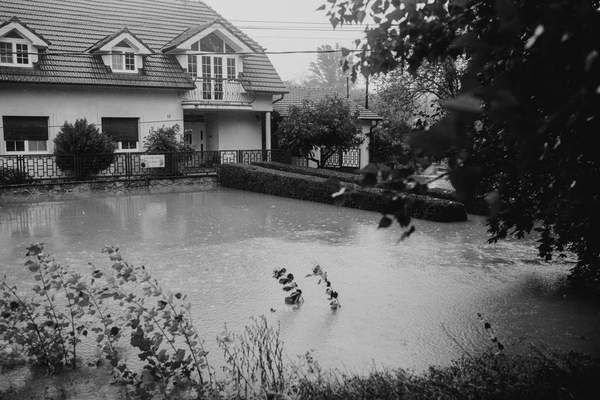
A common mistake in renters vs homeowners insurance comparisons is treating coverage as protection against every kind of water damage. Sudden accidental water damage from a covered plumbing event may qualify, while floodwater from outside usually requires separate flood insurance. Earthquake damage is also commonly excluded unless additional coverage is purchased.
Routine wear, poor maintenance and gradual deterioration are generally not insured losses. Sewer backup may require an endorsement. Home-based business property and high-value items can also need extra protection. Before buying, examine your deductible, property limits, exclusions, valuation method and any special wind or hurricane deductible. A guide to how renters insurance deductibles work can help explain what you pay before coverage contributes to a claim.
Which policy should you buy?
If you rent an apartment or house, renters insurance is generally the appropriate starting point, even when a lease does not require it. If you own and occupy a detached house, a homeowners policy is generally appropriate, and mortgage lenders usually require it.
Ownership situations can be less straightforward. Condo owners typically need a condo unit-owner policy, often called HO-6, coordinated with the association’s master policy. Someone who owns a house but rents it to tenants may need landlord insurance rather than a standard owner-occupied homeowners policy. Disclose short-term rental arrangements to your insurer.
Frequently asked questions
Does renters insurance cover damage to the landlord’s building?
It generally does not provide dwelling coverage. Personal liability coverage might respond to certain damage for which the tenant is legally responsible, subject to exclusions and limits. The landlord typically carries insurance for the building.
Is renters insurance required by law?
It is generally not a statewide legal requirement for tenants in the United States, but a landlord may require it under the lease where permitted by law. Homeowners insurance is likewise not generally mandated by law, although mortgage lenders commonly require it.
Can I keep renters insurance after buying a house?
You should arrange the appropriate homeowners coverage to begin when you take ownership. Renters insurance does not replace dwelling coverage. Coordinate cancellation and start dates to avoid a coverage gap.
Does homeowners insurance cover a tenant’s possessions?
Usually not. A property owner’s policy generally protects the owner’s insured interests, not a tenant’s personal belongings. Tenants should consider their own renters policy for property, liability and eligible additional living expenses.
The right choice follows your responsibility
Renters insurance protects the financial risks that follow you into a home you do not own. Homeowners insurance adds the larger task of protecting a building you do own. Start with your ownership and occupancy status, then compare belongings coverage, liability, living expenses, exclusions and actual quotes. The best policy is the one built for your situation, not simply the one with the lowest premium.