Storage has a funny way of becoming invisible until it suddenly becomes the only thing anyone notices. A chair turns into a pile of folded laundry. Kitchen counters slowly disappear beneath unopened mail, chargers, and grocery bags. Closets begin with good intentions and end with the familiar sound of something falling the moment the door opens.
Most homes, no matter their size, eventually run into the same problem: there never seems to be quite enough space for everyday life.
That’s partly why creative storage solutions for homes have become such an important part of modern interior design. People are no longer looking only for places to hide clutter. They want storage that feels integrated, thoughtful, and natural within the rhythm of a room.
The most successful storage ideas don’t announce themselves loudly. They quietly make a home feel calmer, easier to move through, and somehow more spacious than before.
Why Modern Homes Struggle With Storage
Even beautifully designed homes can feel crowded surprisingly quickly.
Part of the issue comes from how modern lifestyles have changed. Many people work remotely now, which means offices are squeezed into bedrooms, dining areas, or corners of living rooms. Families collect more devices, cables, seasonal decor, and hobby equipment than homes were originally designed to accommodate.
Open-concept layouts contribute to the challenge too. While visually spacious, they often reduce the number of walls available for shelving, cabinets, or hidden storage.
As a result, storage has become less about stuffing things away and more about designing spaces that adapt to everyday living.
There’s also a psychological side to it. Clutter tends to create visual noise. When surfaces overflow constantly, rooms start feeling smaller and more stressful, even if the actual square footage hasn’t changed.
Thoughtful storage helps restore breathing room.
Entryways Set the Tone for the Entire House
The entrance of a home often becomes an accidental dumping ground. Shoes pile up beside doors. Bags land on chairs. Keys vanish into mysterious corners almost immediately.
Small storage adjustments here can change the entire feel of a house.
Slim benches with built-in compartments work especially well because they combine seating with hidden storage. Wall hooks help vertical space do some of the heavy lifting without making the area feel crowded. Narrow shelves above eye level create room for baskets or seasonal items that don’t need daily access.
Interestingly, the best entryway storage rarely feels overly organized. Spaces that look too rigid can become difficult to maintain. A little flexibility matters.
A woven basket for shoes or a simple tray for everyday essentials often works better than complicated systems that require constant effort.
Living Rooms Benefit From Hidden Functionality
Living rooms tend to collect everything from blankets and books to remote controls and children’s toys. The challenge is finding storage that doesn’t overwhelm the room visually.
Multi-functional furniture has become especially valuable here.
Coffee tables with concealed compartments help reduce surface clutter while maintaining a clean appearance. Ottomans that open for storage add softness and practicality at the same time. Even side tables now often include shelves or hidden drawers designed for modern living.
Built-in shelving remains popular too, though the style has shifted away from perfectly symmetrical arrangements. Many homeowners now prefer shelves that feel layered and slightly imperfect, mixing storage baskets with books, ceramics, and framed art.
That balance prevents storage from feeling too utilitarian.
Kitchen Storage Works Best When It Feels Effortless
The kitchen is probably the most demanding room in the house when it comes to organization. It holds tools, appliances, pantry items, cookware, cleaning supplies, and somehow still needs enough empty space to function comfortably.
Good kitchen storage rarely depends on size alone.
Small kitchens can feel surprisingly efficient when vertical space is used thoughtfully. Open shelving, hanging rails, magnetic knife strips, and stacked organizers allow frequently used items to remain accessible without overcrowding counters.
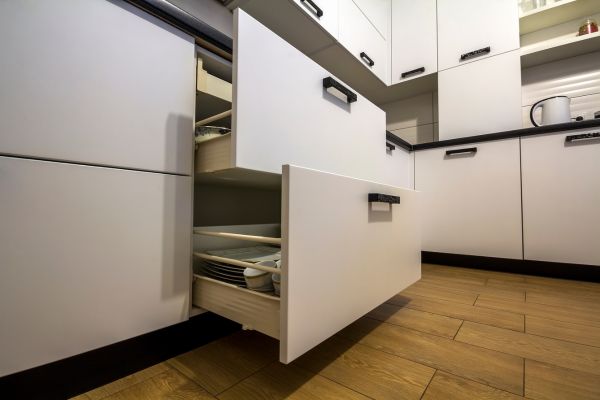
Deep drawers have also quietly replaced many lower cabinets in modern kitchens because they make storage easier to reach. Nobody enjoys crouching on the floor trying to locate a single pan hidden behind six others.
Pantries benefit from visibility as well. Clear containers, labeled jars, and tiered shelving reduce the tendency for food items to disappear into forgotten corners.
Still, there’s something important about avoiding excessive perfection. Kitchens should feel usable, not staged like display rooms.
Bedrooms Need Calm More Than Complexity
Bedrooms tend to suffer when storage becomes too visible.
Unlike living rooms or kitchens, bedrooms are meant to feel restorative. Too many open shelves or crowded furniture arrangements can make the space feel mentally busy, even when everything is technically organized.
Under-bed storage remains one of the simplest solutions, especially for seasonal clothing or spare bedding. Beds with built-in drawers have become increasingly common because they use otherwise wasted space naturally.
Wardrobes benefit from thoughtful layering rather than endless expansion. Adjustable shelving, hanging organizers, and storage boxes often improve functionality more than simply buying larger furniture.
One overlooked idea involves using vertical wall space more creatively. Narrow shelves above doorways or around headboards create subtle storage without interrupting the room’s flow.
Soft materials help too. Woven baskets, linen storage bins, and upholstered benches tend to make practical storage feel warmer and less clinical.
Bathrooms Thrive on Small Space Creativity
Bathrooms rarely offer enough storage for everything people need daily. Towels, toiletries, cleaning supplies, skincare products, and extra paper goods somehow compete for space in rooms that are often among the smallest in the house.
This is where creative storage solutions for homes become especially important.
Floating shelves above toilets or beside mirrors provide additional storage without taking up floor space. Recessed wall niches inside showers reduce the need for bulky racks or hanging caddies. Even narrow rolling carts between fixtures can hold surprising amounts without making the room feel cramped.
There’s also a growing preference for concealed storage in bathrooms. Medicine cabinets hidden behind mirrors and vanities with internal organizers help maintain a calmer visual atmosphere.
Bathrooms already contain enough hard surfaces and reflective materials. Too much visible clutter quickly makes the space feel chaotic.
Children’s Rooms Require Flexible Storage
Storage in children’s rooms changes constantly because children themselves change constantly.
What works for a toddler rarely works for a teenager.
Open bins and low shelving often succeed because they encourage independence and make cleanup easier. Furniture that evolves over time — such as desks with adjustable shelving or beds with integrated storage — helps rooms adapt without requiring full redesigns every few years.
Interestingly, playful storage tends to work better than overly strict organization systems. A child is far more likely to use colorful baskets or accessible cubbies than complicated labeling systems that feel restrictive.
The goal isn’t perfect tidiness. It’s creating enough structure that the room remains functional while still feeling lived in.
Small Homes Encourage Better Storage Habits
People living in smaller apartments or compact homes often become surprisingly skilled at organization out of necessity.
Limited space forces more intentional decisions.
Fold-away desks, wall-mounted tables, stackable seating, and modular furniture all help maximize flexibility. Rooms begin serving multiple purposes throughout the day. A dining table becomes a workspace. A guest room doubles as a reading nook.
This adaptability has influenced broader interior design trends as well. Even larger homes now incorporate furniture and layouts inspired by smaller-space efficiency.
There’s a certain elegance in that restraint.
Instead of constantly expanding storage capacity, many people are learning how to live more thoughtfully within the space they already have.
Decorative Storage Makes Rooms Feel Softer
One reason some storage solutions fail is because they focus only on practicality.
Purely functional storage can make a home feel cold or overly rigid. Decorative storage softens that effect. Woven baskets, vintage trunks, ceramic containers, and wooden crates provide organization while still contributing warmth and texture to a room.
Open shelving works best when it includes breathing room too. Shelves packed edge-to-edge with objects often feel heavier rather than helpful.
A little emptiness matters in interior design. Negative space gives the eye a place to rest.
That principle applies to storage just as much as furniture arrangement.
Storage Is Ultimately About Daily Life
The most effective storage systems aren’t necessarily the most beautiful ones online. They’re the ones people actually maintain over time.
Homes function best when storage reflects real habits rather than idealized routines. Someone who drops keys by the door every day probably needs a tray there instead of constant reminders to “stay organized.” A family that cooks heavily may prioritize accessible kitchen tools over minimalist empty counters.
Good storage adapts to human behavior instead of fighting against it.
That’s why the conversation around creative storage solutions for homes has evolved beyond simply hiding clutter. It’s become more connected to comfort, ease, and the emotional feeling of being at home.
Conclusion
Storage influences a home far more than people often realize. It shapes how rooms function, how spacious they feel, and even how stressful or calming daily routines become.
The best creative storage solutions for homes are rarely flashy. More often, they’re thoughtful details quietly woven into everyday life — a bench that hides winter blankets, shelves that make a small kitchen more usable, or baskets that soften the edges of a busy room.
As homes continue adapting to modern lifestyles, storage is becoming less about maximizing every inch and more about creating balance. Rooms need enough organization to support daily living, but also enough openness to feel welcoming and relaxed.
In the end, good storage isn’t really about hiding possessions. It’s about making space for the life happening around them.