Why Succulents Are So Loved by New Gardeners
Succulents have a quiet charm that makes them almost impossible to ignore. They sit neatly on windowsills, brighten desks, soften balconies, and bring a small piece of the outdoors into even the busiest homes. Their thick leaves, sculptural shapes, and surprising colors make them feel more like living art than ordinary houseplants.
For beginners, succulents are often seen as easy plants, and in many ways, they are. They do not need daily attention, they tolerate dry spells, and they can survive in conditions that would stress many leafy plants. But “easy” does not mean they can be forgotten completely. Most problems with succulents come from treating them like regular houseplants or, sometimes, loving them a little too much.
Good succulent care for beginners starts with understanding what these plants naturally prefer. Most succulents come from dry, sunny places where water is available only occasionally. Their leaves and stems store moisture, which helps them survive long gaps between rainfall. Once you understand that rhythm, caring for them becomes much simpler.
Choosing the Right Succulent for Your Space
Not all succulents behave the same way. Some stay small and compact, while others stretch, trail, or grow into larger rosettes. A beginner-friendly choice is usually one that tolerates indoor light and does not demand perfect conditions. Echeveria, haworthia, jade plant, aloe, and sedum are popular options because they are generally forgiving when their basic needs are met.
Before choosing a plant, look at where it will live. A sunny window ledge is very different from a shaded office corner. Succulents with thick, colorful rosettes often need stronger light to keep their shape and color. Green varieties, especially haworthia and some aloes, can usually handle slightly lower light better.
It is also worth checking the plant before bringing it home. Healthy succulents should feel firm, not mushy or wrinkled. Avoid plants with black spots, soggy soil, or leaves that fall off at the lightest touch. A good start makes care much easier later.
Giving Succulents the Light They Need
Light is one of the biggest factors in succulent health. Most succulents love bright light, but that does not always mean harsh afternoon sun behind glass. Too little light causes plants to stretch toward the window, creating long, weak stems and wide gaps between leaves. This is called etiolation, and once it happens, the stretched growth will not shrink back.
A bright windowsill is often the best place indoors. Morning sun is gentle and useful, while strong afternoon sun may need a little filtering, especially in hot climates. If a succulent suddenly moves from shade to full sun, its leaves can burn. The change should be gradual, giving the plant time to adjust.
Outdoor succulents also need thoughtful placement. Many enjoy several hours of sunlight, but extreme heat can scorch them. A spot with morning sun and light afternoon shade often works beautifully. Watch the leaves. If they become pale, stretched, or weak, they may need more light. If they turn brown, crispy, or bleached, the sun may be too intense.
Watering Without Overdoing It
Watering is where most beginners struggle. Succulents do not like constantly damp soil. Their roots need moisture, but they also need air. When the soil stays wet for too long, roots can rot, and the plant may collapse even though it was watered with good intentions.
The best approach is to water deeply but less often. When the soil is completely dry, soak it until water runs out of the drainage hole. Then leave the plant alone until the soil dries again. This pattern is much closer to what succulents experience in nature.
A fixed schedule can be misleading. A succulent may need water every week in hot, dry weather, but only every few weeks in winter or in a cool room. The pot size, soil type, light, humidity, and season all matter. Instead of asking, “Is it watering day?” ask, “Is the soil dry?”
Wrinkled leaves can mean the plant is thirsty, especially if the soil is dry. Soft, yellow, or translucent leaves often point to too much water. Learning these signs takes a little time, but the plant usually gives clues before things become serious.
Using the Right Soil for Healthy Roots
Good soil is essential for succulent care for beginners because roots are where many problems begin. Regular garden soil or heavy potting mix can hold too much moisture. Succulents prefer a loose, gritty mix that drains quickly and does not stay soggy around the roots.
A cactus or succulent mix is a good starting point, but even that can sometimes be improved with extra perlite, pumice, coarse sand, or small gravel. The goal is not to make the soil dry immediately, but to let water pass through easily while still giving roots enough time to drink.
If the soil feels dense, sticky, or slow to dry, it may not be ideal. A healthy mix should feel airy and crumbly. When you water, it should absorb moisture and drain well rather than turning into a wet block.
Picking Pots That Actually Help
A beautiful pot can make a succulent look even better, but function matters first. Drainage holes are extremely important. Without them, excess water sits at the bottom of the pot, and roots remain wet longer than they should. Even careful watering becomes risky in a pot with no escape route.
Terracotta pots are often helpful for beginners because they are porous and allow moisture to evaporate more quickly. Plastic and glazed ceramic pots can work too, but they hold moisture longer, so watering may need to be less frequent.
Pot size also matters. A tiny succulent in a very large pot is more likely to sit in wet soil for too long. Choose a pot that gives the roots a little room but does not overwhelm the plant. Succulents usually prefer being slightly snug rather than floating in a large container of damp mix.
Understanding Seasonal Changes
Succulents do not grow at the same speed all year. Many become more active during spring and summer, using more water and light as they produce new leaves or stems. In cooler months, growth often slows down, and the plant needs less water.
This seasonal rhythm is easy to miss indoors because the plant looks still and quiet. But watering the same amount in winter as in summer can lead to trouble. During colder months, let the soil stay dry longer between watering. The plant is not being neglected; it is simply resting.
Some succulents have different active seasons, but beginners do not need to memorize every detail at once. The main idea is to observe growth. When a plant is actively growing, it may need slightly more attention. When it slows down, reduce watering and avoid unnecessary repotting or feeding.
Feeding Succulents Gently
Succulents are not heavy feeders. Too much fertilizer can push weak, fast growth that does not look natural or healthy. If you choose to feed them, do it lightly during the growing season.
A diluted balanced fertilizer or a cactus fertilizer can be used occasionally in spring or summer. Avoid feeding when the plant is stressed, newly repotted, or resting in winter. Think of fertilizer as a small boost, not a main source of care. Light, soil, and watering habits matter far more.
Repotting Without Stress
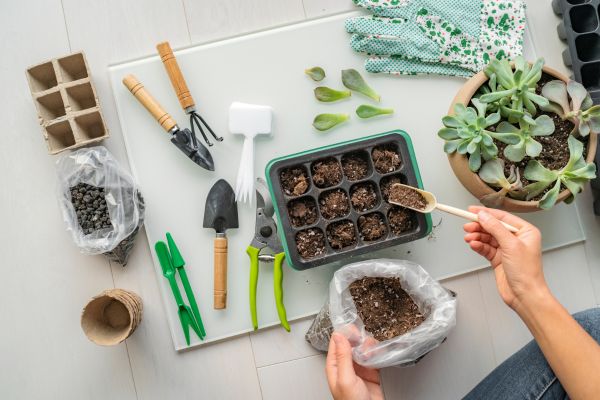
Repotting is useful when a succulent has outgrown its pot, the soil has become compacted, or the plant was purchased in poor-quality soil. Beginners sometimes worry about disturbing the plant, but succulents usually handle repotting well if it is done gently.
Let the soil dry before repotting. Remove the plant carefully, shake off old soil, and check the roots. Trim away anything black, mushy, or dead. Place the plant in fresh, dry succulent mix and wait a few days before watering. This gives any small root injuries time to heal.
Repotting does not need to happen often. Many succulents can stay in the same pot for a long time, especially if they are growing slowly and the soil remains healthy.
Watching for Common Problems
Most succulent problems show up in the leaves first. Stretching usually means too little light. Mushy leaves often mean too much water. Crispy brown edges may suggest sunburn, heat stress, or underwatering. Leaves dropping suddenly can happen after overwatering, shock, or poor drainage.
Pests can appear too, especially mealybugs. These small white insects hide between leaves and look a bit like cotton. They should be removed early before they spread. Keeping plants clean, avoiding overcrowding, and checking new plants before placing them near others can prevent many issues.
The important thing is not to panic. Succulents are surprisingly resilient. A plant with one problem leaf is not necessarily dying. Careful observation and small adjustments usually solve more than dramatic changes.
Conclusion
Succulents reward patience more than constant attention. They like bright light, quick-draining soil, thoughtful watering, and enough space to grow at their own pace. Once you understand these basics, succulent care for beginners becomes less about guessing and more about noticing.
These plants teach a quieter kind of gardening. You water, then wait. You move a pot closer to the light, then watch how the leaves respond. You learn that healthy growth does not always happen quickly, and that restraint can be a form of care. With time, succulents become more than decorative plants. They become small reminders that simple routines, done well, can keep beautiful things alive.